The Cognitive Neuroscience of Risk and Gambling Harms

Research Programme Overview
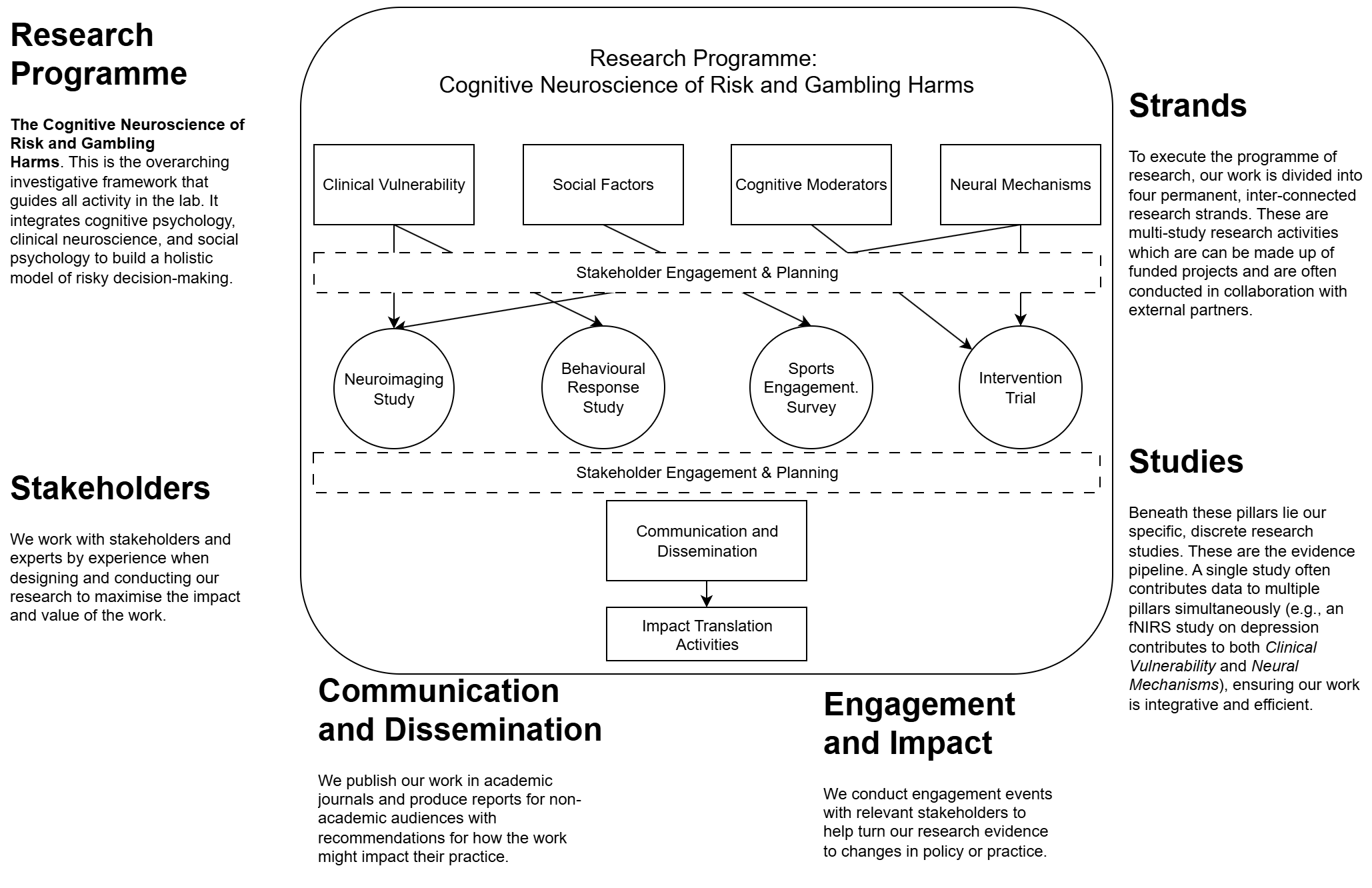
This programme adopts a multi-dimensional approach to gambling harms. Our structural-interactive view rejects the narrative that gambling harms are a failure of individual responsibility and recognises that product design and the wider commercial environment are designed to exploit individual psychological vulnerabilities. Our goal is to provide the mechanistic evidence base to support more robust interventions that reduce vulnerable cognitive states (supporting ‘Safer by Design’ regulatory policy). We use neuroimaging (fNIRS) to identify the specific neurocognitive mechanisms that are vulnerable to exploitation and work to develop methods of strengthening them in the face of cognitively exploitative product features and ‘frictionless’ access to gambling.
Cognitive Moderators (e.g., attention, memory, numeracy)
Clinical Vulnerability (e.g., depression, hypomania, anxiety)
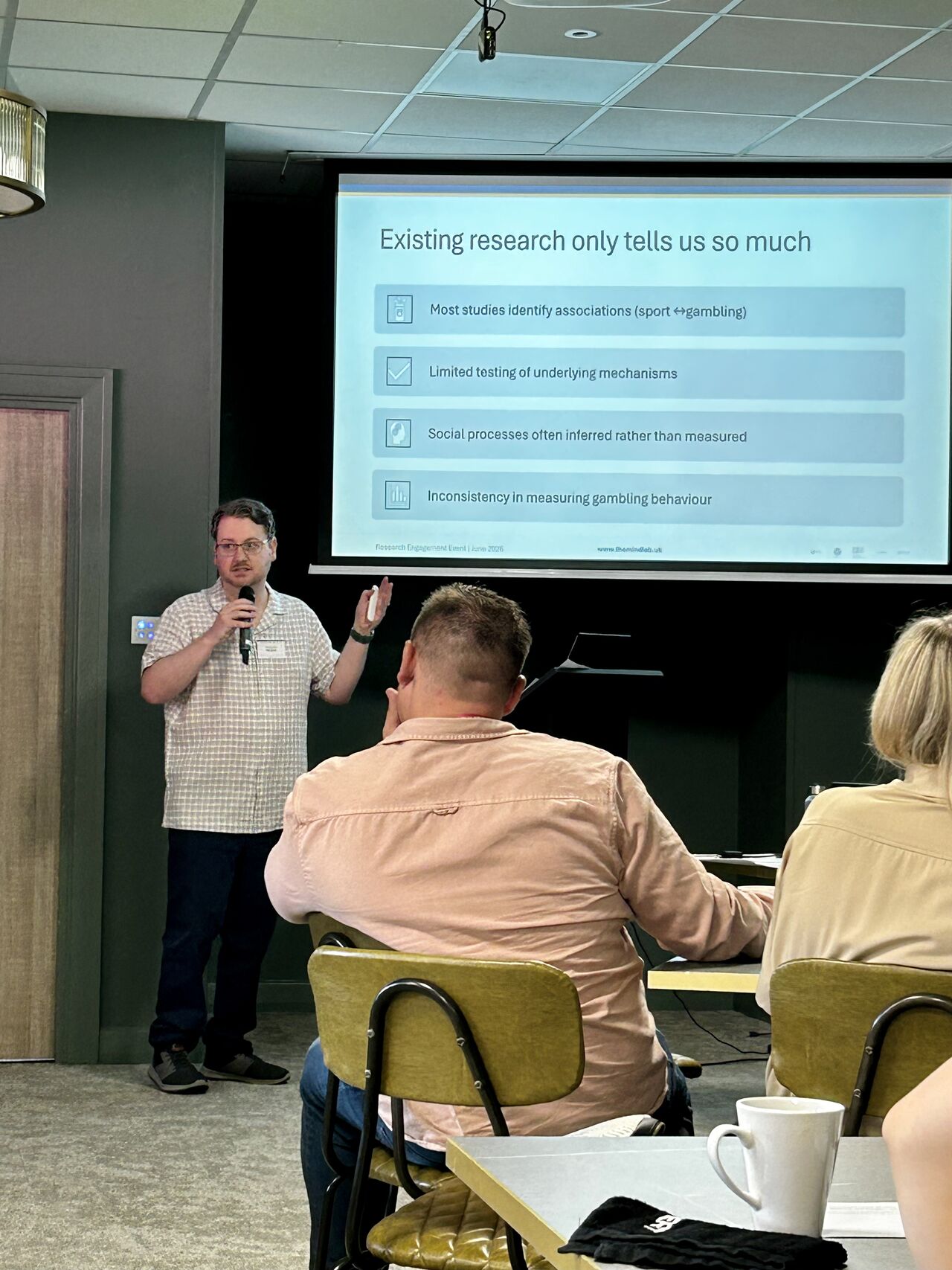
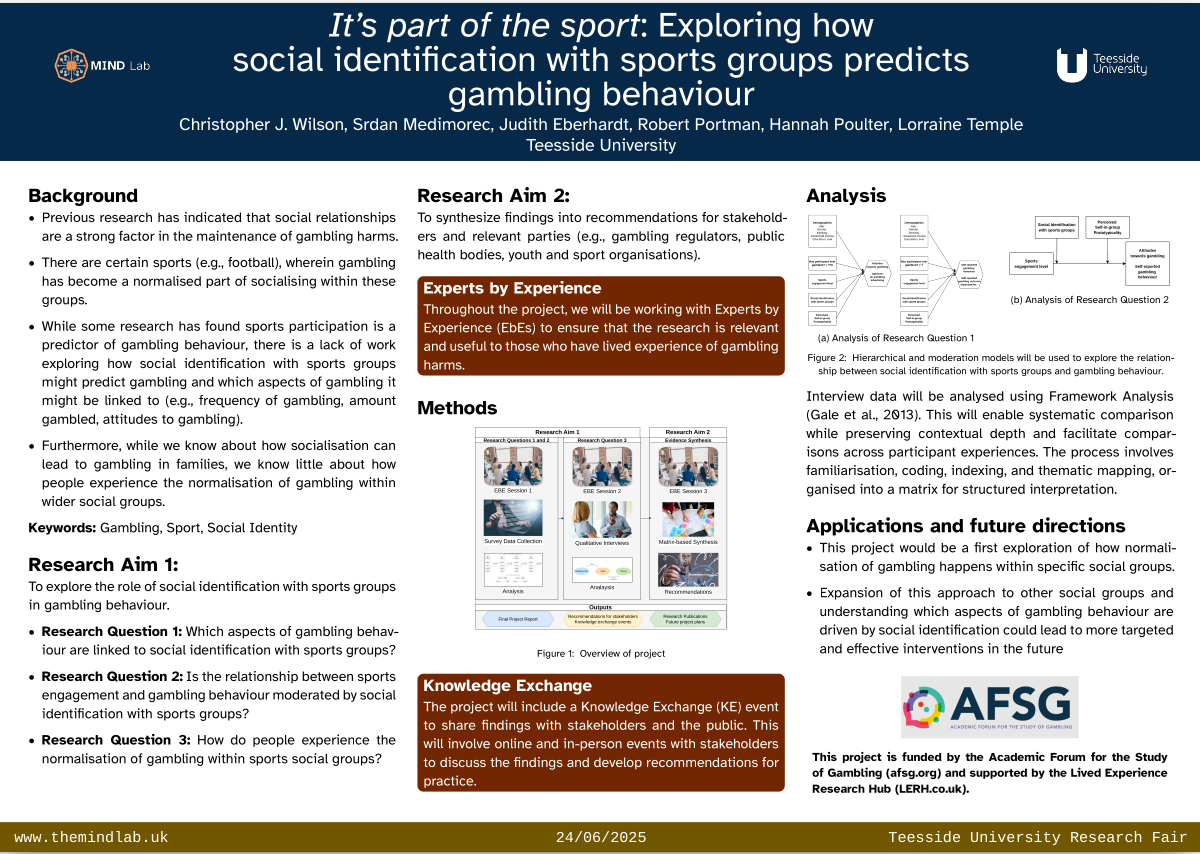
The Social Context (e.g., sports engagement, social identity)
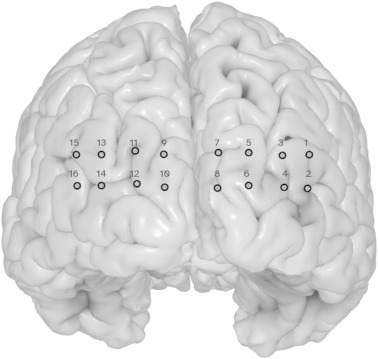
Neurological Correlates (Using fNIRS to map the “in-the-moment” brain activity of decision-making and risk-taking)
Projects

No matching items
Researchers


No matching items
Doctoral Researchers

No matching items